How Education Influences Global Growth
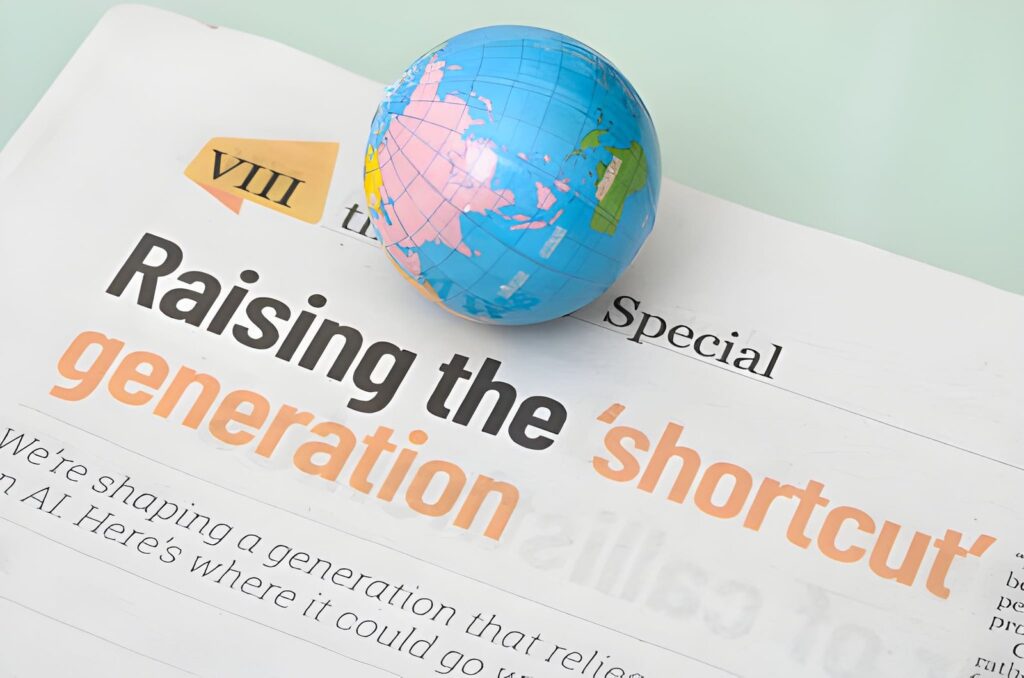
Education is one of the most powerful forces shaping the world. It does more than help individuals pass exams or find employment. It gives people the knowledge, skills, and confidence they need to improve their lives and contribute to their communities. When more people have access to O8 quality education, the benefits can reach far beyond individual success, influencing economies, societies, technology , and the future of entire nations.
In a rapidly changing world, education has become more important than ever. New technologies, global challenges, and changing job markets require people to keep learning and adapting. By developing informed and capable individuals, education creates a stronger foundation for long-term global growth.
Education Builds Skilled Communities
A country’s progress depends greatly on the abilities of its people. Doctors, teachers, engineers, scientists, entrepreneurs, and skilled workers all contribute to economic and social development. Education helps individuals develop the knowledge and abilities required to perform these roles effectively.
When people receive quality education, they are often better prepared to find employment, create businesses, and solve practical problems. A skilled workforce can increase productivity and encourage innovation, helping communities become more economically stable.
Education also allows people to discover their strengths and interests. A student who is introduced to science may become a researcher, while another who enjoys creativity may pursue design or the arts. By providing opportunities to explore different fields, education helps individuals contribute their unique talents to society.
Education Encourages Innovation
Many of the world’s greatest advances begin with knowledge. From medical discoveries to digital technologies, innovation depends on people who are willing to ask questions, experiment, and search for better solutions.
Education encourages this type of thinking. It teaches students not only what is already known but also how to investigate problems and develop new ideas. When people are encouraged to think critically and creatively, they become more capable of contributing to innovation.
This is especially important in a world facing complex challenges such as climate change, resource shortages, and public health concerns. Educated communities are better positioned to explore new solutions and adapt to changing circumstances.
Education Supports Economic Growth
Education and economic development are closely connected. People with useful skills and knowledge often have greater opportunities to participate in the workforce and earn stable incomes. As individuals become more productive, businesses and economies can benefit as well.
Education can also encourage entrepreneurship. Someone who understands basic financial concepts, communication, planning, and problem-solving may feel more prepared to start a small business or develop a new idea.
When businesses grow, they can create employment opportunities for others. This can lead to a positive cycle in which education supports individual success, individual success strengthens businesses, and stronger businesses contribute to economic development.
Education Promotes Social Understanding
Global growth is not only about financial progress. Strong societies also require people who can communicate, cooperate, and understand different perspectives.
Education exposes people to different ideas, cultures, and ways of thinking. It can teach individuals to respect differences and approach disagreements with greater understanding. These qualities are important in an interconnected world where people from different backgrounds communicate and work together every day.
Schools and educational institutions can also teach values such as responsibility, fairness, teamwork, and respect. These lessons can help create communities where people are more willing to cooperate for the common good.
Education Improves Decision-Making
An educated person is often better prepared to evaluate information and make informed decisions. In today’s digital world, people encounter an enormous amount of information every day. Knowing how to question sources, recognize unreliable claims, and think critically is increasingly valuable.
Education develops these abilities by encouraging people to ask questions rather than accepting every statement without examination. This can help individuals make better decisions about their careers, finances, health, and communities.
When citizens are informed, they can also participate more meaningfully in discussions about issues that affect society. This strengthens communities and supports responsible decision-making.
Education Helps Reduce Inequality
Access to education can create opportunities for people who might otherwise face limited choices. Learning can provide individuals with skills that improve their chances of employment and financial independence.
While education alone cannot solve every form of inequality, it can help create pathways toward greater opportunity. When children and young people have access to quality learning, they are better positioned to build futures that may be different from their circumstances today.
Expanding access to education can therefore benefit not only individuals but also families and communities for generations.
The Importance of Lifelong Learning
Education does not end when someone leaves school or university. The modern world changes constantly, making lifelong learning increasingly important.
People may need to develop new skills as technology changes or as industries evolve. Learning throughout life helps individuals remain adaptable and confident when facing new challenges.
Whether through professional training, online courses, books, practical experience, or everyday curiosity, continuous learning allows people to keep growing. A society that values lifelong learning is better prepared for an uncertain future.
Conclusion
Education is a powerful driver of global growth because it strengthens individuals and communities at the same time. It develops skilled workers, encourages innovation, supports economic progress, promotes social understanding, and helps people make informed decisions.
The true value of education goes beyond what happens inside a classroom. Every skill learned and every new idea understood can contribute to a larger chain of progress. When people are given the opportunity to learn , they gain more than knowledge—they gain the ability to imagine possibilities and work toward a better future.
For global growth to continue, investing in education must remain a priority. By making quality O8.style learning accessible and encouraging people to remain curious throughout their lives, societies can create a more capable, adaptable, and hopeful world for future generations.