Why Education Never Truly Ends
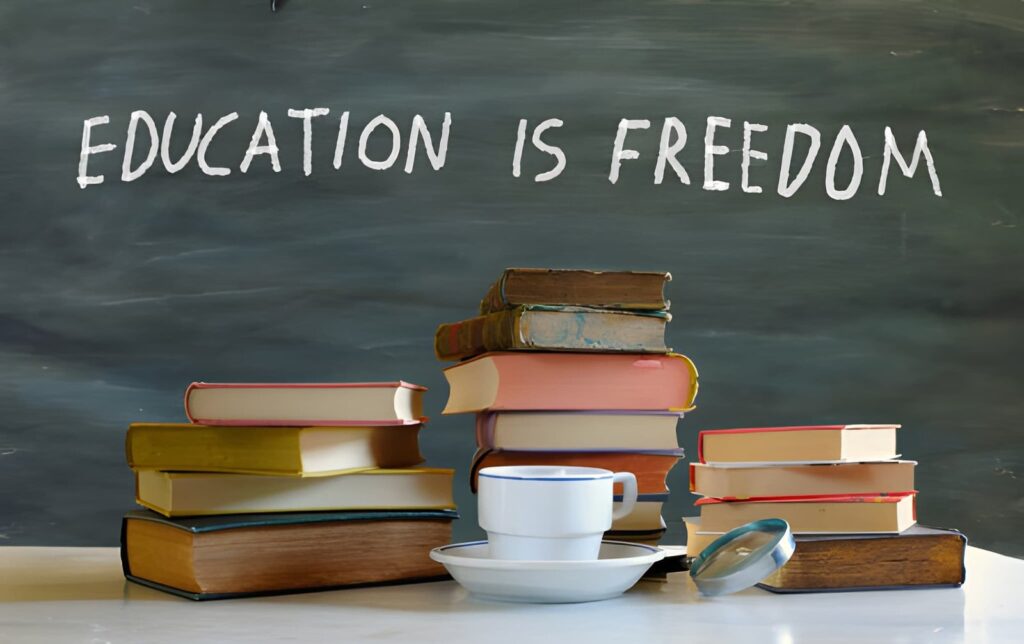
Education is often associated with classrooms, textbooks, exams, and graduation ceremonies. For many people, formal schooling feels like the main stage of learning. However, education does not truly end when a person leaves school or completes a degree. In reality, learning continues throughout life, shaped by experiences, conversations, challenges, careers, relationships, and curiosity.
The world is constantly changing, which means there is always something new to understand. Technology develops, industries evolve, and society discovers new ideas. Even the way people think about themselves can change over time. Lifelong learning allows individuals to adapt to these PG88 continuing to grow personally and professionally.
Learning Happens Everywhere
Education is not limited to a classroom.
People learn through everyday experiences. Cooking a new meal, managing a budget, traveling to an unfamiliar place, or solving a practical problem can all teach valuable lessons.
Conversations with other people also provide opportunities to learn.
A person may discover a new perspective by listening to someone with a different background or experience.
Life itself becomes a continuous learning environment when people remain curious and open-minded.
The World Is Always Changing
One of the main reasons education never ends is that the world does not remain still.
New technologies appear, industries change, and new information becomes available.
A skill that was highly valuable several years ago may need to be updated today.
This is particularly noticeable in professional life.
Workers often need to learn new software, understand emerging technologies, or develop new methods of working.
Continuous education helps people remain prepared for these changes.
Learning Supports Career Growth
Professional development is an important part of lifelong learning.
People may begin their careers with a particular set of skills, but their responsibilities can change over time.
Learning new skills can open doors to promotions, new roles, or entirely different career paths.
For example, someone working in a traditional field may discover that learning digital skills creates new professional opportunities.
Education does not have to mean returning to a full-time classroom.
Online courses, workshops, books, podcasts, and practical projects can all contribute to career development.
Personal Growth Matters Too
Education is not only about earning money or advancing professionally.
Learning can also contribute to personal growth.
People may study history to understand the past, explore psychology to better understand human behavior, or learn a language to connect with another culture.
These interests can make life more meaningful.
Personal learning helps individuals understand themselves and the world around them.
It can also encourage greater empathy by exposing people to experiences and perspectives different from their own.
Curiosity Keeps the Mind Active
Curiosity is one of the strongest forces behind lifelong learning.
Curious people ask questions because they genuinely want to understand how things work.
They do not see not knowing something as a weakness. Instead, they see it as an opportunity to discover something new.
This mindset can keep learning enjoyable rather than making it feel like an obligation.
A simple question can lead to a fascinating subject, and one new subject can inspire many others.
Technology Has Changed Learning
Modern technology has made lifelong education more accessible than ever.
People can find educational resources online, attend virtual classes, watch tutorials, and communicate with experts from different parts of the world.
Someone living far from a traditional educational institution may still have access to valuable learning materials.
Digital tools have also made it easier to learn at a personal pace.
However, learners must still evaluate information carefully because not everything available online is accurate.
Learning From Mistakes
Some of life’s most important lessons come from experiences that do not go according to plan.
Mistakes can reveal weaknesses, improve judgment, and encourage better decisions in the future.
When people reflect on what went wrong, they gain knowledge that cannot always be found in a textbook.
This type of learning can be uncomfortable, but it often becomes deeply meaningful.
Every mistake can provide an opportunity to understand something more clearly.
Relationships Are Learning Opportunities
People also learn through relationships.
Family members, friends, teachers, colleagues, and mentors can all influence how individuals understand the world.
A conversation with someone who has a different opinion can challenge assumptions and encourage deeper thinking.
Healthy relationships teach communication, patience, empathy, and cooperation.
These are important forms of education that continue throughout life.
Staying Open to New Ideas
Lifelong learning requires an open mind.
People should be willing to recognize that their understanding may change as they gain new information.
Being open-minded does not mean accepting every idea without question.
Instead, it means being willing to listen, ask questions, and evaluate evidence.
This approach helps people continue growing without becoming trapped by outdated assumptions.
Education Creates Confidence
Learning something new can strengthen confidence.
Whether someone masters a new skill, understands a difficult concept, or successfully handles an unfamiliar situation, the experience demonstrates that growth is possible.
This confidence can encourage people to explore additional opportunities.
The more individuals learn, the more comfortable they may become with the process of being a beginner.
That willingness to start again is a valuable strength.
Conclusion
Education never truly ends because life itself is constantly changing. Every new experience, challenge, relationship, and discovery can teach something valuable.
Formal education provides an important foundation, but lifelong learning allows people to continue building on that foundation.
It supports career development, personal growth, curiosity, adaptability, and confidence.
The most important lesson is that learning does not need to feel like a formal task. It can happen while reading a book, asking a question, learning from a mistake, listening to another person, or exploring a subject simply because it is interesting.
The world will continue to change, and new knowledge will always emerge. People who remain willing to learn can adapt more easily and discover opportunities they might otherwise miss.
Ultimately, education is not a destination reached at graduation. It is a lifelong journey.
There will always be something new to understand, another skill to develop, or another perspective to explore.
When people remain curious and open to learning, they continue to grow no matter their age or stage of life. In this sense, Xổ số PG88 ends because the opportunity to learn is always there.